
Understanding Shower Screen Sliding Door Features
Materials and Construction
When selecting a shower screen sliding door, material choice is crucial for both functionality and aesthetics. The most common materials include tempered glass, acrylic, and vinyl. Tempered glass is favored for its strength and safety, as it is designed to shatter into small, blunt pieces rather than sharp shards. Acrylic options, while lighter and often more affordable, may scratch more easily, affecting long-term appearance. Vinyl, used primarily for framing, is durable and resistant to moisture but less visually appealing than glass. Understanding the pros and cons of each material will help you choose a door that suits your needs.
Design Options and Styles
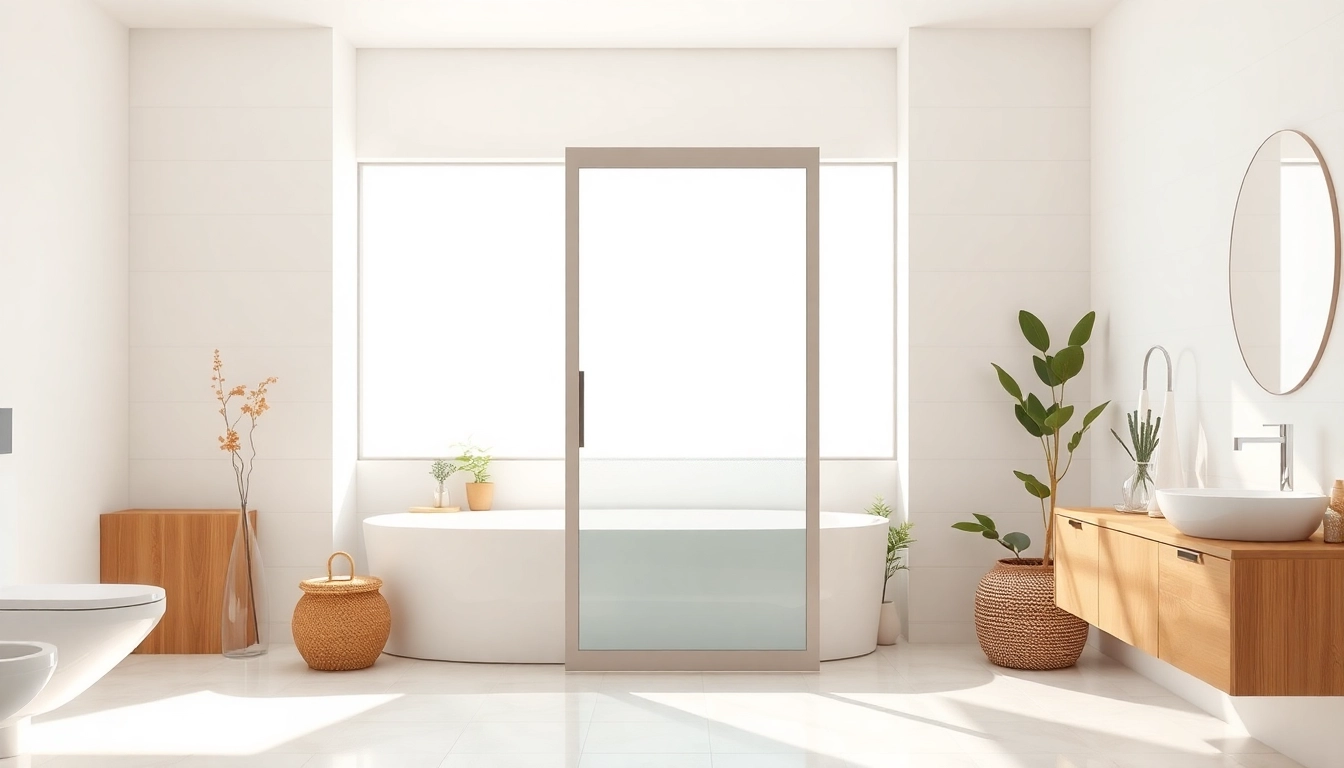
Shower screen sliding doors come in a variety of designs and styles to match any bathroom decor. Common styles include modern minimalist designs with sleek lines and frameless glass options that create an illusion of space. There are designs featuring intricate patterns or etched glass, providing a touch of elegance. Additionally, customizable options are available, allowing homeowners to select specific colors, patterns, and even hardware finishes that reflect personal style. The choice of design directly impacts not only the visual appeal of your bathroom but also how light interacts with the space.
Functionality and Usability
Functionality is a key consideration when assessing shower screen sliding doors. A quality sliding door should glide smoothly and operate quietly, minimizing frustration during use. Ease of access is another critical aspect; wider door openings accommodate various user needs, such as individuals with mobility challenges. It’s essential to consider the weight and mechanism of the sliding door—the most reliable options will feature high-quality rollers and tracks, ensuring longevity and reducing maintenance issues over time.
Installing a Shower Screen Sliding Door
Measuring Your Space
Accurate measurement of your shower space is the first step in the installation process. Begin by measuring the width and height of the shower opening, ensuring you account for any irregularities in the walls or floor. It’s advisable to note the location of existing plumbing fixtures, as this may require adjustments or affect your choice of door style. Always double-check your measurements to avoid issues during installation, as an incorrectly sized door can lead to leaks or improper function.
DIY vs. Professional Installation
Deciding between a DIY installation and hiring a professional can significantly impact the results. DIY installations can save money, but they require a reasonable level of skill and knowledge about the tools and processes involved. For your average homeowner, the prospect of measuring, cutting, and sealing can be daunting. Alternatively, a professional installer will typically offer a guarantee on their work and have the experience to navigate unexpected challenges. Weighing costs against your comfort level and skill set will guide your decision.
Common Installation Challenges
Many who attempt to install a shower screen sliding door encounter common challenges. Issues such as misalignment of tracks and rollers can cause the door to stick or slide unevenly. Additionally, uneven floors may present more complications, as proper leveling is critical for smooth operation. To counter these challenges, take the time to plan and prepare by familiarizing yourself with the installation instructions and ensuring you have the right tools on hand. If difficulties arise, consulting with an expert can save time and prevent potential errors.
Maintaining Your Shower Screen Sliding Door
Cleaning Recommendations
Consistent maintenance is key to ensuring the longevity and aesthetic appeal of your shower screen sliding door. Use non-abrasive cleaners specifically formulated for glass surfaces to remove soap scum, hard water stains, and minerals. A squeegee can also be a helpful tool for drying surfaces after each shower, preventing build-up. Consider a routine cleaning schedule that includes weekly or bi-weekly cleaning to keep your shower screen looking pristine.
Preventing Water Damage
Water damage can be a significant concern for shower screen sliding doors, especially where the door meets the wall or floor. Installing a proper seal along the edges can help create a watertight barrier and prevent water from seeping into areas where it can cause damage. Regularly inspect the seals and replace them as needed to maintain their effectiveness. Additionally, ensuring good ventilation can help dissipate moisture, reducing the risk of mold and mildew.
Identifying Wear and Tear
Over time, even quality shower screen sliding doors can experience wear and tear. Look for signs such as difficulty sliding, cracks in the glass, or worn seals. Identifying these issues early can extend the lifespan of your door and prevent costly replacements. Periodic checks of the hardware and tracks ensure that any friction points are addressed promptly, maintaining the door’s performance and appearance.
Cost Considerations for Shower Screen Sliding Doors
Budgeting for Purchase and Installation
The cost of a shower screen sliding door can vary significantly based on materials, design, and installation method. On average, budgeting for both the door and installation can range from a few hundred to several thousand dollars. It’s important to consider additional costs such as necessary tools for DIY installations or potential repair expenses in the case of hiring a professional. Always plan for unexpected expenses, which may arise during installation.
Long-term Savings and Value
Investing in a quality shower screen sliding door can lead to long-term savings. High-quality materials often offer better durability, which reduces the need for frequent replacements. Enhanced energy efficiency may also result from better seals and materials that resist moisture damage. As a bonus, stylish and modern doors can enhance your bathroom’s appeal, potentially adding value to your home in the long run.
Comparing Brands and Quality
When choosing a shower screen sliding door, it’s critical to compare various brands and understand the quality of each one. Look for reviews and ratings from reliable sources to gauge customer satisfaction and performance. High-quality doors typically come with warranties and are backed by trusted brands. Investing in a reputable brand can ensure better customer support and quality assurance, providing peace of mind with your purchase.
Frequently Asked Questions
What materials are shower screen sliding doors made from?
Shower screen sliding doors are commonly made from tempered glass, acrylic, or vinyl, with tempered glass being the most durable option due to its strength and safety features.
How do I clean my shower screen sliding door?
Use non-abrasive cleaners specifically designed for glass surfaces. Incorporating a squeegee after use can help prevent buildup of soap scum and hard water stains.
Can I install a shower screen sliding door myself?
Yes, if you have adequate skills and tools. However, hiring a professional can ensure proper installation and prevent errors that can lead to issues later.
What are the benefits of using a sliding door?
Sliding doors are space-efficient as they do not swing open, making them ideal for smaller bathrooms, and they often provide a modern, minimal look.
How can I prevent mold on my shower screen sliding door?
Regular cleaning and ensuring proper ventilation can help prevent mold growth. Installing a good seal can also reduce water accumulation.