
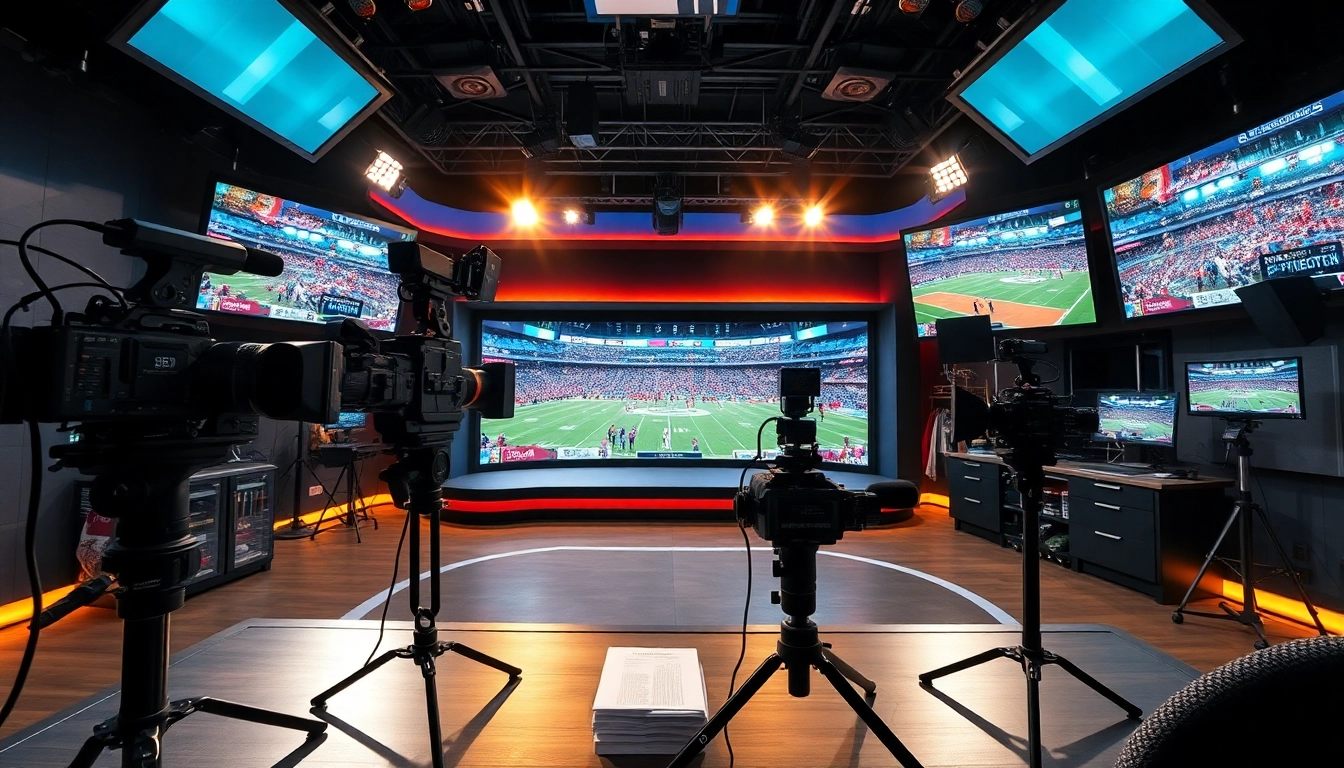
The Evolution of Sports Broadcasting
Sports broadcasting has undergone a remarkable transformation from its origins to the multifaceted industry it is today. The way we consume live sports has been profoundly shaped by changes in technology, societal preferences, and the global media landscape. In this comprehensive overview, we delve into the historical context, the advancements in technology, and the rising significance of social media in reshaping audience engagement. By understanding these elements, we can better appreciate the current state of Sports Broadcasting and its trajectory forward.
Historical Overview
The foundation of sports broadcasting began in the early 20th century with radio broadcasts of live sports. The first major sports event to be broadcast was the 1921 boxing match between Jack Dempsey and Georges Carpentier, capturing the attention of a substantial audience and paving the way for future developments. This era marked the initial step towards making sports accessible to a broader demographic. By the mid-20th century, television became the new frontier, revolutionizing how fans experienced sports. Iconic broadcasts such as the NFL Championship Game and the World Series captivated millions, transforming athletes into national heroes.
Technology Advances
Technology is at the heart of the evolution of sports broadcasting. From black-and-white telecasts to color imaging, and now to high-definition and 4K broadcasts, the quality of the viewing experience has dramatically improved. Digital streaming platforms have further changed the landscape, allowing viewers to watch games on-demand and across multiple devices. Innovations such as instant replay, slow-motion replays, and graphics overlays provide fans with an engaging viewing experience that enhances understanding and enjoyment of the game. Furthermore, advancements in mobile technology have facilitated access to live broadcasts from anywhere, deeply influencing viewer habits and expectations.
The Role of Social Media
Social media has emerged as a powerful tool in sports broadcasting, allowing networks and teams to engage directly with fans. Platforms like Twitter, Facebook, and Instagram are no longer just places for sharing updates; they serve as complementary channels for live interaction during games. Fans can comment and engage in conversations in real-time, creating a sense of community and immediacy. Social media also offers a platform for highlights, behind-the-scenes content, and insights that maintain fan interest beyond the traditional broadcasts, blurring the lines between professional sports and personal fandom.
Key Components of Successful Sports Broadcasting
Understanding Audience Engagement
Effective sports broadcasting hinges on understanding the audience. Engagement strategies now use data analytics to construct targeted content that resonates with viewers. Metrics such as viewer demographics, preferences, and interaction rates inform content strategies, tailoring broadcasts to meet the expectations of different audience segments. Engaging fans through interactive elements such as polls, quizzes, and behind-the-scenes content keeps viewers invested in the broadcasts. Creating an emotional connection and community feeling around a sports franchise solidifies loyalty and viewership.
Quality of Production
The quality of production in sports broadcasting is paramount. High-definition video, multi-camera angles, and advanced sound technologies enhance the viewing experience, making games more exciting. Professional-grade production teams are essential to capture the nuances of live sports, from dramatic moments to player interactions. Furthermore, the use of augmented reality (AR) and virtual reality (VR) is becoming more prevalent; these technologies allow fans to experience a game in an immersive way or gain new insights through dynamic graphics. The production quality directly impacts the audience’s overall experience and, consequently, their engagement levels.
Impact of Commentary
Commentary plays a pivotal role in sports broadcasting. The voice behind the microphone can elevate viewer engagement, providing context, analysis, and emotional investment. Skilled commentators not only relay facts but also tell stories, weaving narratives that captivate audiences. Moreover, the shift towards diverse commentary teams that include former athletes and experts introduces fresh perspectives and enhances the authenticity of the viewing experience. As viewer preferences shift towards relatable and engaging personalities, broadcasters must prioritize hiring talented commentators who resonate with their target audience.
Challenges in Sports Broadcasting
Copyright and Licensing Issues
One of the significant challenges in sports broadcasting is navigating copyright and licensing restrictions. Rights to air certain events can be incredibly expensive and complex, especially with the rise of various broadcasting channels and platforms. Securing these rights requires strategic negotiations and understanding the legal landscape. Additionally, broadcasters must stay updated with changing regulations regarding content distribution across international borders, which can complicate access for audiences.
Maintaining Viewer Interest
As competition in the broadcasting realm increases, maintaining viewer interest becomes critical. Viewers are more discerning than ever, demanding immediate gratification and personalized content. Broadcasters must innovate continually, exploring new formats, interactive features, and engaging content to retain audiences. This might mean leveraging social media for instant highlights or experimenting with alternative viewing options, such as interactive apps that let fans choose camera angles and statistics. The challenge lies in keeping audiences engaged throughout an entire game, not just at high-stakes moments.
Competing Platforms
The emergence of streaming platforms poses a significant challenge to traditional sports broadcasting networks. Platforms like Amazon Prime, Netflix, and Disney+ are not just entertainment sources; they are increasingly encroaching on the sports territory. Many now bid for broadcasting rights, appealing to viewers’ changing preferences for on-demand and personalized content. This competition forces traditional broadcasters to adapt quickly in order to maintain their relevance and secure their audience base.
The Future of Sports Broadcasting
Emerging Technologies
The future of sports broadcasting is poised to embrace emerging technologies that will further enhance the viewer experience. Innovations such as artificial intelligence (AI) and machine learning could provide personalized content recommendations, while blockchain might revolutionize ticket sales and ownership rights. The integration of AI-generated graphics and instant statistics can provide deeper insights into player performance, making broadcasts more engaging. As technology evolves, it will reshape how sports are produced, distributed, and consumed, pushing boundaries and enhancing accessibility.
Personalizing Viewer Experiences
Personalization will be a significant trend in the future of sports broadcasting. As data analytics become more sophisticated, broadcasters will be able to deliver tailored viewing experiences that cater to individual preferences. Whether it’s selecting the camera angle, accessing player statistics, or engaging in interactive features, the focus will be on creating an immersive experience. This drive towards personalization helps to establish a loyal fan base as viewers feel more connected to the events they follow.
Potential Market Trends
Market trends indicate a fundamental shift towards hybrid models of broadcasting. Future strategies may incorporate both live broadcasts and on-demand content, creating a more fluid viewing experience. As younger generations continue to favor digital platforms, traditional broadcasters might form partnerships with tech companies to enhance reach and accessibility. The rise of e-sports and virtual sporting events also indicates new avenues for growth, expanding the very definition of what sports broadcasting encompasses. By being adaptive and forward-thinking, broadcasters can position themselves successfully in this rapidly evolving market.
FAQs About Sports Broadcasting
What is sports broadcasting?
Sports broadcasting involves the live or recorded airing of sports events through various media such as TV, radio, and online streams.
How does technology impact sports broadcasting?
Technology enhances production quality, audience engagement, and enables real-time analytics and viewer interaction during broadcasts.
What are the main challenges in sports broadcasting?
Challenges include copyright restrictions, keeping viewers engaged, and the need to stand out among numerous platforms.
How has social media changed sports broadcasting?
Social media allows for interaction with fans, immediate updates, and extended reach beyond traditional broadcasting methods.
What does the future hold for sports broadcasting?
Future trends may include virtual and augmented reality experiences, personalized content delivery, and further integration with digital platforms.